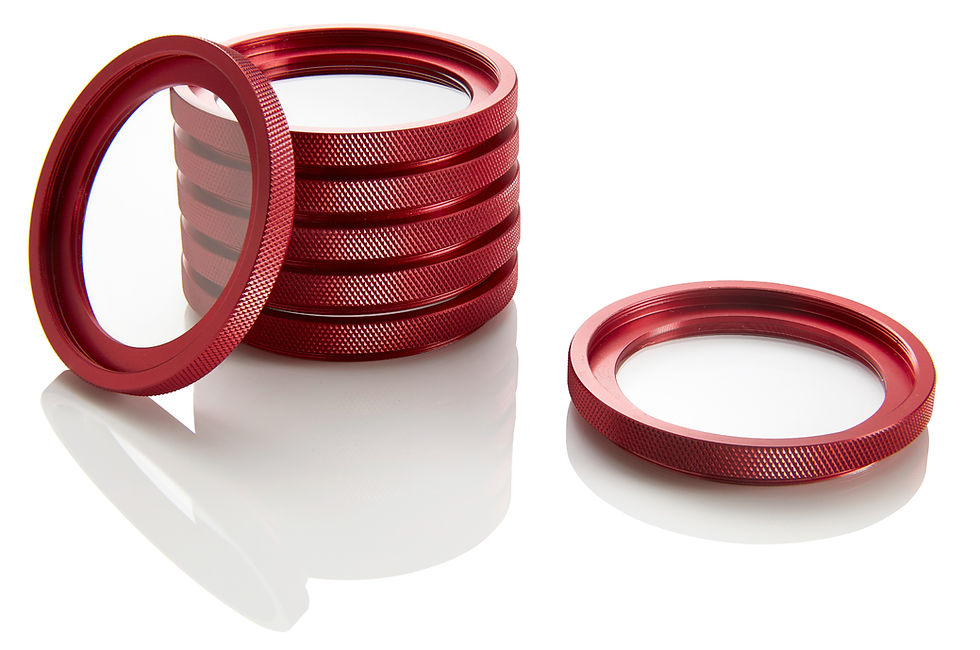
Understanding the Role of Filters in Optical Systems
Optical systems are integral to a variety of applications, ranging from simple cameras to sophisticated scientific instruments. One of the most crucial components of these systems is the optical filter. Understanding the role of filters can help you appreciate how they influence the performance of optical devices.
Optical Systems Defined
Optical systems comprise various components designed to manipulate light. Common examples include lenses, mirrors, and prisms. These components can be found in lab equipment, photography, and even in everyday lighting solutions. Each component has a specific purpose, and together they help create clear, focused images or data from the light they capture or emit.
For example, a simple camera consists of a lens to focus light onto a sensor, with modifiers like filters that can enhance image quality or achieve specific effects. In scientific instruments, filters can isolate particular wavelengths of light needed for analysis. Properly designed optical systems ensure that the light is utilized effectively, allowing for more accurate results.

The Importance of Optical Filters
Optical filters play a vital role in determining what light can and cannot pass through an optical system. They are utilized to enhance, diminish, or isolate specific wavelengths from a light source. This function is critical in improving the clarity and quality of images or data collected through these systems.
Filters can be either passive or active, depending on their design and application. Passive filters, which do not alter the intensity of the light they let through, typically include color filters, polarizing filters, and neutral density filters. Active filters, such as electronic filters, can adjust light dynamically based on predefined criteria.
The right optical filter can significantly improve the performance of an optical system. For instance, in photography, a polarizing filter helps reduce glare and improves color saturation. Similarly, scientific instruments equipped with specialized filters can yield more precise measurements, enhancing the accuracy of research.

What Does an Optical Filter Do?
An optical filter's primary task is to allow certain wavelengths of light to pass while blocking others. This selective filtering is essential in numerous applications, including:
Photography: Filters can reduce unwanted reflections or enhance colors.
Spectroscopy: In scientific analysis, filters isolate specific wavelengths to analyze material properties.
Telecommunications: Filters help manage the different signals transmitted over fiber optics.
For example, color filters can be used in photography to enhance the colors of a sunset, making them appear more vibrant. On the other hand, neutral density filters help reduce light exposure without affecting color, allowing for longer exposure times without overexposing the image. In spectroscopy, a blue filter might be used to allow only specific blue wavelengths to be analyzed, providing deeper insights into the material's characteristics.

Types of Optical Filters
There are several types of optical filters, each serving a unique purpose within an optical system. Here are some of the most common types:
Color Filters
Color filters are designed to pass specific wavelengths corresponding to a particular color. These filters are used extensively in photography and lighting design. They can enhance the vibrancy of images by allowing only certain colors to be captured.
Polarizing Filters
Polarizing filters are primarily used in photography to reduce glare from reflective surfaces, such as water or glass. They allow you to capture clearer images in bright conditions and enhance color saturation, providing a more vivid picture.
Neutral Density Filters
Neutral density (ND) filters reduce the intensity of light without altering its color. These filters are valuable in photography for enabling longer exposure times in bright environments. They are also used in scientific applications where precise control over light intensity is crucial.
Bandpass Filters
Bandpass filters allow a specific range of wavelengths to pass through while blocking those outside this range. They are commonly used in spectroscopic applications, enabling researchers to study specific parts of a light spectrum.
Long-pass and Short-pass Filters
Long-pass filters (which block short wavelengths) and short-pass filters (which block long wavelengths) are essential in various applications, from photography to laboratory experiments. They are used when specific wavelengths need to be isolated, either for aesthetic purposes or scientific analysis.
In summary, the right type of filter is essential for enhancing the performance of optical systems, enabling users to capture clearer and more accurate results.
Selecting the Right Optical Filter
When choosing an optical filter for an application, consider the following factors:
Desired Effect: Determine whether you want to enhance color, reduce glare, or isolate specific wavelengths. This will guide you in selecting the right filter type.
Material and Quality: Filters must be made of high-quality materials to avoid any additional distortion in the image or data. Check for the manufacturer's specifications regarding optical quality.
Compatibility: Ensure that the filter is compatible with your optical system, whether it's a camera, telescope, or spectroscope. Filters come in various sizes and mounts, and you want to make sure it fits seamlessly.
Cost: High-quality filters can be a significant investment. Set a budget and compare options to find filters that meet both your quality and cost requirements.
Utilizing optical filters properly can increase the versatility and effectiveness of your optical system. Always research and test different filters to understand how they affect your specific applications.
Behind the Technology of Optical Filters
Understanding the technology behind optical filters can provide additional insight into their effectiveness. Filters often consist of specific materials designed to absorb or reflect certain wavelengths. For example, colored glass is typically used for color filters, while polarizers utilize a chemical coating to filter out specific light alignments.
Additionally, advancements in filter technology, such as thin-film coatings, have improved the performance of optical filters dramatically. These secondary layers can enhance the transmission and reflection properties of filters, making them more efficient.
For instance, thin-film polarizers utilize multiple layers of materials to create a desired effect, such as improved efficiency and durability. As technology continues to evolve, filters will undoubtedly become even more precise and tailored to specific applications, further enhancing the capabilities of optical systems.
The Future of Optical Filters in Optical Systems
The role of optical filters in optical systems will likely continue to expand, especially with the rapid advancement of technology. Innovations in materials and manufacturing techniques are creating new opportunities for optical filters in areas like augmented reality, virtual reality, and advanced imaging systems.
For example, filters designed for machine learning and artificial intelligence applications will become increasingly relevant as these technologies grow. They may need specialized filters to analyze light in ways that conventional systems do not currently require.
Moreover, as sustainability becomes more critical, future optical filters may pursue eco-friendly manufacturing methods and materials, improving efficiency while minimizing environmental impact. This aligns with broader trends across various technologies, where sustainability is becoming a necessary consideration in product development.
By understanding the role of optical filters and staying abreast of technological advancements, users will be better equipped to leverage optical systems for various applications, enhancing their functionality and effectiveness.
Final Thoughts
The role of filters in optical systems is pivotal and multifaceted, impacting everything from photography to scientific analysis. Understanding how these filters function and their different types can empower users to make informed choices that enhance their optical systems.
Adopting the right filters can lead to clearer images, more precise data analysis, and overall improved performance in any optical application. With ever-evolving technology in optical filters, the future holds exciting opportunities for better, safer solutions in the optical field.