Why Borosilicate Glass is Essential for High-Performance Applications
Borosilicate glass has become a cornerstone material in many high-performance applications due to its unique combination of durability, thermal resistance, and chemical stability. From laboratory equipment to advanced optics, this type of glass offers advantages that other materials simply cannot match. Understanding why borosilicate glass is so essential requires a closer look at its properties, uses, and the reasons behind its continued relevance in modern industries.
The Unique Qualities of Borosilicate Glass
Borosilicate glass is a special type of glass that contains boron trioxide, which significantly enhances its thermal and chemical resistance. This makes it ideal for environments where temperature fluctuations and chemical exposure are common.
Some key qualities include:
Thermal Shock Resistance: It can withstand rapid temperature changes without cracking.
Chemical Durability: Resistant to acids, alkalis, and other corrosive substances.
Mechanical Strength: More robust than regular glass, reducing breakage risk.
Optical Clarity: Maintains transparency and clarity, important for optical applications.
These qualities make borosilicate glass indispensable in scientific laboratories, cookware, and even in the manufacturing of high-precision optical components.

Applications That Rely on Borosilicate Glass
Borosilicate glass is widely used across various industries due to its exceptional performance. Here are some notable applications:
Scientific and Medical Equipment
Laboratory glassware such as test tubes, petri dishes, and pipettes are often made from borosilicate glass. Its resistance to heat and chemicals ensures that experiments can be conducted safely and accurately.
Cookware and Kitchenware
Heat-resistant glass cookware, like baking dishes and measuring cups, often use borosilicate glass. It can go from freezer to oven without cracking, making it highly practical for everyday cooking.
Optical Components
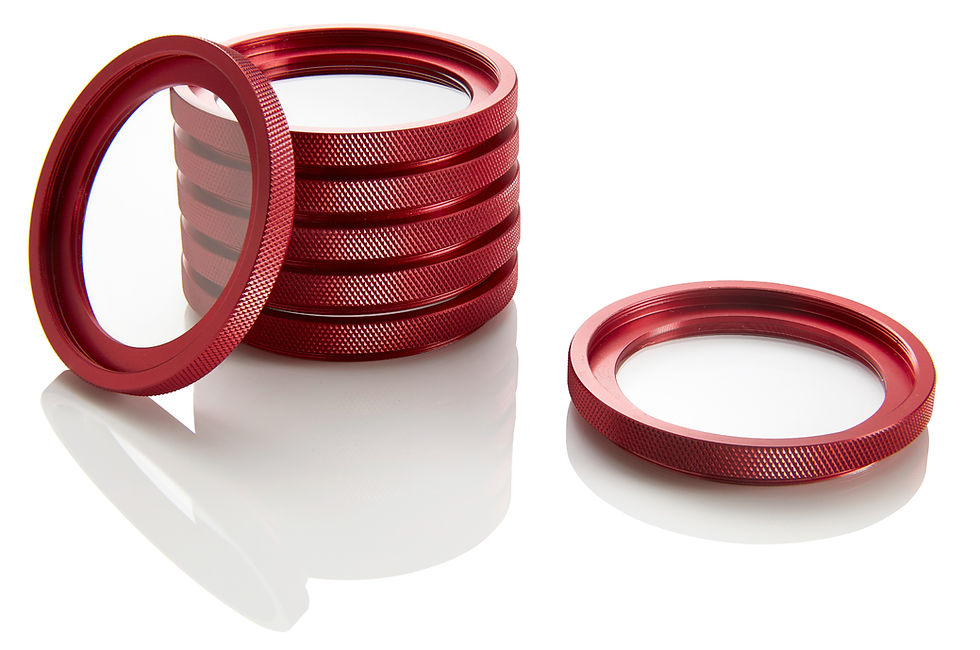
Precision lenses, prisms, and other optical parts benefit from the glass’s clarity and stability. The borosilicate glass properties make it ideal for high-performance optical systems used in cameras, microscopes, and telescopes.
Industrial Uses
In industries such as chemical processing and electronics, borosilicate glass is used for protective covers, sight glasses, and insulators due to its durability and resistance to harsh environments.

Why is Borosilicate Glass Not Used Anymore?
Despite its many advantages, some industries have reduced their reliance on borosilicate glass. This shift is often due to the emergence of alternative materials that offer specific benefits, such as:
Plastic and Polymer Alternatives: These materials are lighter and less fragile, making them suitable for disposable or portable applications.
Specialised Glass Compositions: Some newer glasses offer even better thermal or mechanical properties for niche uses.
Cost Considerations: Borosilicate glass can be more expensive to produce and process compared to some alternatives.
However, it is important to note that borosilicate glass remains irreplaceable in many critical applications where its unique properties cannot be matched. The decline in some sectors does not diminish its overall importance in high-performance contexts.
How to Choose Borosilicate Glass for Your Needs
When selecting borosilicate glass for a project or product, consider the following factors:
Thermal Requirements: Determine the temperature range the glass must withstand.
Chemical Exposure: Identify any chemicals the glass will contact.
Mechanical Stress: Assess the likelihood of impact or pressure.
Optical Clarity: Decide if transparency and light transmission are critical.
Size and Shape: Custom shapes may require specialized manufacturing.
Working with suppliers who understand the specific borosilicate glass properties can help ensure you get the right type of glass for your application. Always request technical datasheets and samples when possible.

The Future of Borosilicate Glass in High-Performance Fields
Borosilicate glass continues to evolve with advances in manufacturing and material science. Innovations include:
Improved Coatings: Enhancing scratch resistance and reducing glare.
Hybrid Materials: Combining borosilicate glass with polymers or metals for enhanced performance.
Sustainability Efforts: Recycling and eco-friendly production methods.
As industries demand materials that can perform under increasingly challenging conditions, borosilicate glass remains a reliable and essential choice. Its combination of strength, clarity, and resistance ensures it will continue to play a vital role in scientific, industrial, and consumer applications.
By understanding the unique benefits and limitations of borosilicate glass, professionals can make informed decisions that improve product performance and longevity. Whether in a laboratory, kitchen, or high-tech device, borosilicate glass stands out as a material that meets the demands of high-performance applications with unmatched reliability.